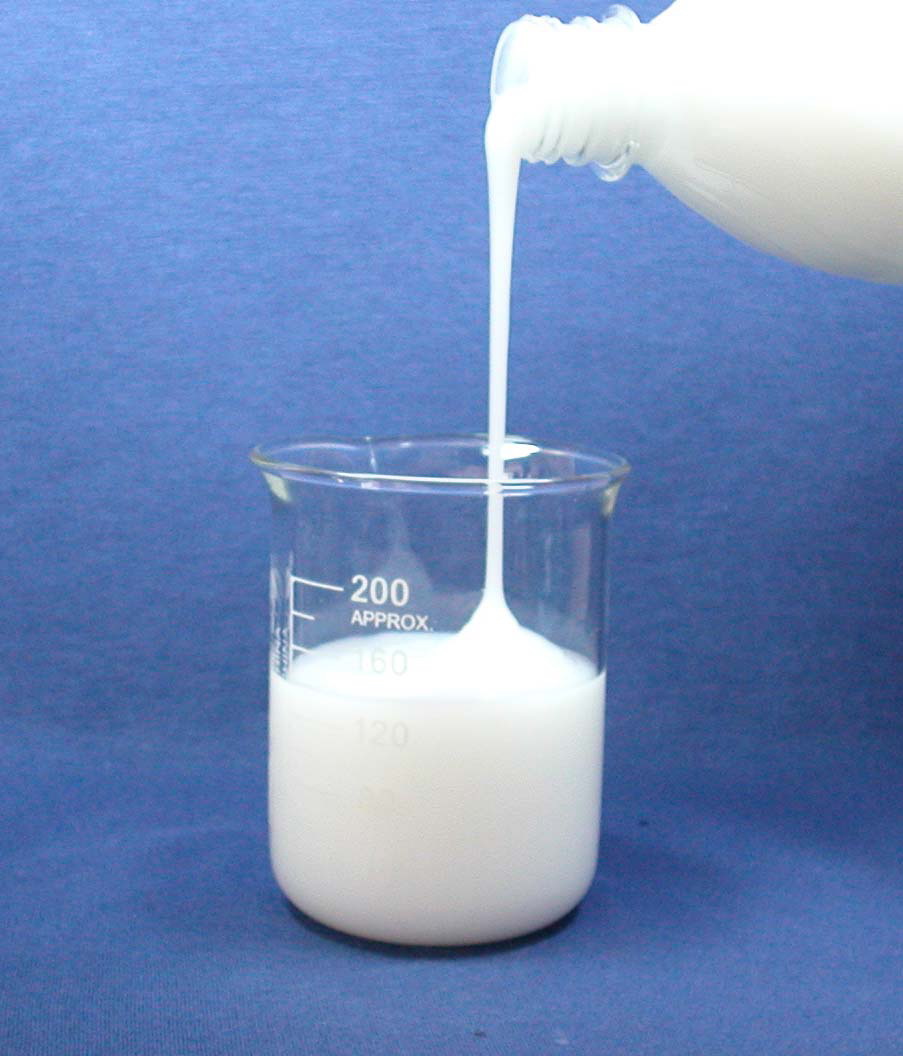
السيليكا المدخنة الكارهة للماء

وطن

السيليكا المدخنة الكارهة للماء

  • تطبيق السيليكا المدخنة في مزيل الرغوة
    تطبيق السيليكا المدخنة في مزيل الرغوة
    Mar 11, 2025
    تعد Defoamers حاليًا مضافة تستخدم على نطاق واسع ، حيث تلعب دورًا مهمًا في مختلف المجالات مثل الطعام والبتروكيماويات وصناعة الورق والتنظيف الصناعي. من بينها ، تُعد محفوظات السيليكون هي منتجات Defoamer الأكثر استخدامًا واستهلاكها. الأنواع الأخرى من Defoamers ، مثل الزيت المعدني والبولي إيثر ، تكمل تطبيقات Defoamers القائمة على السيليكون. تشمل المكونات الرئيسية لممارسات ديفور السيليكون عجينة السيليكون ، والمستحلبات ، والسماكة ، مع معجون السيليكون هو المكون النشط في ديفورات السيليكون. يتكون معجون السيليكون في المقام الأول من زيت السيليكون (أو الزيت المعدني ، والزيت النباتي ، وما إلى ذلك) والسيليكا. كمكون أساسي من العوامل الدفعة ، تلعب السيليكا دورًا مهمًا.أخذ مامير مع زيت سيليكون ثنائي ميثيل كقاعدة معجون السيليكون كمثال ، نظرًا لضعف التشتت وانخفاض قابلية الذوبان في زيت سيليكون ثنائي ميثيل في أنظمة المستحلب ، من الضروري استخدام السيليكا (أسود الكربون الأبيض) أو مستحلبات مختلفة لتحسين تشتتها. يمكن أن تشكل مجموعات السيلانول باللون الأسود الكربون الأبيض روابط هيدروجين بالماء ، مما يزيد من لزوجة النظام ، وتحقيق تأثير سماكة ، وتعزيز تشتت واستقرار Defoamer. نظرًا لحجم الجسيمات الصغير ، ومساحة سطح محددة كبيرة ، وطاقة سطحية عالية من أسود الكربون الأبيض ، يمكن أن تولد قوة كبيرة لفقاعات الامتصاص. جنبا إلى جنب مع زيت السيليكون ، فإنه يشكل قوة تهاجم الفقاعات ، وخلق نقاط ضعف. تحت التوتر السطحي المنخفض لزيت السيليكون ، تمزق الفقاعات ، مما يؤدي إلى التخلص. هذا هو المبدأ العام لكيفية عمل Defoamers. باختصار ، يعمل الكربون الأبيض الأسود في المقام الأول على سماكة الفقاعات والتشتت والكسب في Defoamers. الكربون الأبيض المحبب الأسود لديه توافق ضعيف مع زيت السيليكون ، في حين أن الكربون الأبيض الكربوني الأسود ، بعد تعديل السطح ، يمكن أن يكون مبللًا وتفرقًا بشكل جيد في أنظمة زيت السيليكون بسبب الكارهة للماء.تتضمن طريقة إعداد Defoamers أساسًا خطوتين. الخطوة الأولى هي تحضير عجينة السيليكون ، والتي تنطوي على تشتت وتفاعل أسود الكربون الأبيض في زيت السيليكون. تتضمن الخطوة الثانية إضافة المستحلبات ، الأثخان ، وغيرها من المواد المضافة للمستحلب وتفريق معجون السيليكون في مستحلب ، والذي يمكن بعد ذلك تخفيفه حسب الحاجة لإعداد العوامل الدافعة بتركيزات مختلفة. يمكن تقسيم أسود الكربون الأبيض إلى نوعين بناءً على عمليات الإنتاج: الكربون الأبيض الأسود المترسب والكربون الأبيض الدخان الأسود. تكمن ميزة الأسود الكربوني الأبيض المترسب في تكلفته المنخفضة ، ولكن نظرًا لحجم الجسيمات الأكبر ، فإنه عرضة للترسبات ، مما قد يؤدي إلى انسداد المرشحات في العديد من تطبيقات Defoamer. في المقابل ، يتطلب أسود الكربون الأبيض المليء بحجم جسيمات أصغر ، وخصائص تعليق أفضل ، وتوافق جيد مع المستحلبات ، ويتطلب كمية مضافة أقل ، ولديها خصائص ممتازة ومضادة للتسجيل. بالإضافة إلى ذلك ، يمتلك أسود الكربون الأبيض الدخان الذي خضع لتعديل الكارهة للماء بطبيعته خصائص بعض الخصائص ، مما يجعله حلاً مثاليًا للمشاكل التي يواجهها أسود الكربون الأبيض المترسب في تطبيقات Defoamer. مع انخفاض سعر الأسود الكربوني الأبيض الدخان ، ستصبح فعاليتها من حيث التكلفة في Defoamers أكثر بروزًا ، مما يجعله خيارًا ممتازًا للمواد العليا.في هذا السياق ، Geseesil 200، منتج السيليكا المحبة للماء من مواد Gesee الجديدة، تبرز كخيار عالي الجودة لتركيبات defoamer. لمزيد من المعلومات ، تفضل بزيارة www.geseesiltech.com
    اقرأ أكثر
  • What Is MTCS Modified Fumed Silica
    Jun 04, 2026
    Introduction MTCS Modified Fumed Silica is a type of hydrophobic fumed silica produced by chemically treating the surface of hydrophilic fumed silica with methyltrichlorosilane (MTCS). Through this modification process, reactive silanol groups (-SiOH) on the silica surface are replaced by hydrophobic methyl groups (-CH₃), significantly reducing moisture absorption and improving compatibility with non-polar systems. As a result, MTCS modified fumed silica exhibits excellent rheological control, anti-settling properties, thickening efficiency, and moisture resistance, making it an essential additive in adhesives, sealants, coatings, silicone rubber, and composite materials. How Is MTCS Modified Fumed Silica Produced? The production process begins with hydrophilic fumed silica obtained through flame hydrolysis of silicon tetrachloride (SiCl₄). The silica is subsequently treated with MTCS under controlled conditions. During the reaction, surface hydroxyl groups react with MTCS molecules to form stable Si–O–Si bonds while introducing hydrophobic methyl groups onto the silica surface. This surface modification changes the interaction between silica particles and surrounding media, resulting in enhanced hydrophobicity and improved dispersion behavior in many organic systems. Key Characteristics of MTCS Modified Fumed Silica Compared with hydrophilic fumed silica, MTCS modified grades offer several significant advantages: Excellent hydrophobicity Low moisture absorption Superior thickening efficiency in non-polar systems Outstanding anti-settling performance Improved storage stability Enhanced flow control and rheology adjustment Good dispersibility in organic media These properties make MTCS modified grades particularly suitable for formulations exposed to humid environments. Typical Applications 1. Silicone Sealants and RTV Systems MTCS modified fumed silica is widely used in RTV silicone sealants and silicone adhesives. It provides effective reinforcement, sag resistance, and viscosity control while maintaining excellent storage stability. 2. Adhesives and Sealants In polyurethane, MS polymer, and hybrid adhesive systems, MTCS modified silica improves rheology, prevents filler sedimentation, and enhances long-term performance. 3. Paints and Coatings Hydrophobic fumed silica is commonly employed as a rheology modifier and anti-settling agent in industrial coatings, marine coatings, and protective coatings. 4. Composite Materials The excellent compatibility of MTCS modified silica with organic resins makes it valuable in composite applications where mechanical strength and processing stability are required. MTCS Modified vs Hydrophilic Fumed Silica Property MTCS Modified Fumed Silica Hydrophilic Fumed Silica Surface Chemistry Methyl-treated Silanol-rich Water Affinity Hydrophobic Hydrophilic Moisture Absorption Very Low High Organic Compatibility Excellent Moderate Anti-Settling Performance Excellent Good Use in Sealants Highly Recommended Limited Conclusion MTCS Modified Fumed Silica is one of the most widely used hydrophobic fumed silica products in the market today. By replacing surface hydroxyl groups with methyl groups, it delivers superior moisture resistance, rheological performance, and formulation stability. For applications such as silicone sealants, adhesives, coatings, and composites, MTCS modified fumed silica remains a highly effective solution for improving product performance and processing efficiency. As a trusted fumed silica manufacturer, GESEESIL offers high-quality MTCS modified fumed silica grades designed to meet the demanding requirements of sealants, adhesives, coatings, and advanced material applications. Our products provide excellent hydrophobicity, rheological control, and long-term formulation stability, helping customers achieve consistent and reliable performance.  
    اقرأ أكثر
  • MTCS vs. STC Fumed Silica: Understanding the Key Differences
    Jun 26, 2026
    MTCS vs. STC Derived Fumed Silica: What’s the Difference? Fumed silica is a high-performance material widely used in coatings, adhesives, sealants, silicone rubber, inks, and composites. Depending on the production process and surface treatment, fumed silica can exhibit very different properties. Two common routes involve the use of Silicon Tetrachloride (STC) and Methyltrichlorosilane (MTCS) as raw materials. Understanding the difference between these two types of fumed silica can help manufacturers select the most suitable product for their applications. 1. STC-Based Fumed Silica STC (Silicon Tetrachloride, SiCl₄) is the traditional raw material used to produce fumed silica through flame hydrolysis. The resulting product is typically hydrophilic fumed silica, characterized by a large number of hydroxyl (Si-OH) groups on the surface. Key Features: High specific surface area Excellent thickening and reinforcing properties Strong hydrogen bonding capability Good dispersion in polar systems Suitable for coatings, inks, silicone rubber, and resins Typical examples include AEROSIL® 200 and similar grades. 2. MTCS-Based Fumed Silica MTCS (Methyltrichlorosilane, CH₃SiCl₃) introduces methyl groups during the production process. As a result, the silica surface becomes inherently hydrophobic. This type of fumed silica is often referred to as hydrophobic fumed silica. Key Features: Excellent water repellency Low moisture absorption Improved dispersion in non-polar systems Enhanced anti-settling performance Better stability under humid conditions MTCS-derived fumed silica is widely used in sealants, adhesives, RTV silicone, thermal insulation materials, and waterproof coatings. 3. Comparison Between STC and MTCS Fumed Silica Property STC-Based Fumed Silica MTCS-Based Fumed Silica Surface Character Hydrophilic Hydrophobic Surface Groups Si-OH Si-CH₃ Moisture Absorption High Very Low Water Resistance Limited Excellent Polar System Compatibility Excellent Moderate Non-Polar System Compatibility Moderate Excellent Typical Applications Paints, Inks, Rubber Sealants, Adhesives, Waterproof Systems 4. Which One Should You Choose? If your formulation requires strong thickening effects in polar systems, STC-based hydrophilic fumed silica is usually the preferred option. However, if water resistance, moisture protection, and compatibility with non-polar systems are critical, MTCS-derived hydrophobic fumed silica can provide superior performance. In many advanced adhesive and sealant applications, MTCS-modified fumed silica has become the preferred choice due to its excellent rheology control and long-term stability. About GESEE New Material Zhengzhou Gesee New Material Co., Ltd. specializes in the development and supply of high-quality fumed silica products for global customers. Our portfolio includes both hydrophilic and hydrophobic fumed silica grades, offering reliable alternatives to leading international brands for applications in adhesives, sealants, coatings, silicone rubber, and composite materials. If you are looking for cost-effective fumed silica solutions, feel free to contact GESEE for technical support and product recommendations.
    اقرأ أكثر

اترك رسالة

اترك رسالة
إذا كنت مهتما بمنتجاتنا وتريد معرفة المزيد من التفاصيل ، فالرجاء ترك رسالة هنا ، وسوف نقوم بالرد عليك في أقرب وقت ممكن.
إرسال

وطن

منتجات

واتس اب

اتصل بنا